Thônex

    Web Design Thônex for Established Brands Ready for a Smarter Rebuild

    Premium web design and website development in Thônex for companies outgrowing template sites and needing smarter, scalable digital systems.

    Intro

    A website that supports trust, conversions, and future growth at your level

    A business can outgrow its website long before anyone inside the company says it out loud. The signs are usually subtle at first. New service pages feel awkward to add. Marketing ideas take too long to publish. The design still works technically, but it no longer reflects the level of the company. Over time, that friction compounds. For established businesses in Thônex, the problem is often not that the website is completely broken. It is that the site was built like a template brochure when the business now needs something closer to a structured digital system. Pixel Gyroscope builds premium websites and applications for companies that need more than a visual refresh. The goal is to create a faster, clearer, more scalable online presence that supports trust, conversions, and future growth. That can mean a WordPress rebuild, a Webflow rebuild, custom design, custom code, or a broader website redesign shaped around how the business actually operates. Every project moves through Discovery, Wireframes, Design, Development, Testing, and Launch.

    Process

    • Discovery to clarify the offer, audience, and growth priorities.
    • Wireframes and design built around trust, clarity, and conversion.
    • Development, testing, and launch handled as one connected process.

    Section 01

    When a template website starts limiting the business

    Thônex

    Template websites usually solve one problem well: they get a company online quickly. That is useful in the beginning, but speed of setup often comes with a hidden tradeoff. The structure is generic, the content model is shallow, and the system is designed for broad compatibility rather than for the specific way a business sells, explains, and grows. For established companies in Thônex, that tradeoff becomes harder to ignore over time.

    The first issue is usually not visual. It is operational. New pages feel harder to build than they should. The team cannot adapt the site easily around new offers or campaigns. Important services end up squeezed into layouts that were never meant to carry them properly. Messaging becomes compromised by the template rather than supported by it. Eventually, the website stops functioning like an asset and starts behaving like a constraint.

    That is why web design in Thônex should be approached as a business system decision rather than a styling exercise. A stronger rebuild gives the company more control over how information is presented, how pages connect, and how future changes can be handled without constant workarounds. Instead of stretching a generic framework further than it was meant to go, the business gets a digital foundation aligned with its actual level.

    This matters commercially too. A website that fits the business better usually creates stronger trust, clearer service understanding, and smoother conversion paths. It also reduces the quiet drag created by a setup that no longer matches the brand, the offer, or the team's workflow.

    Section 02

    Custom web app thinking helps ambitious brands build with more discipline

    Thônex

    Not every ambitious business needs a full software product, but many benefit from the mindset behind good product architecture. That is what custom web app thinking brings into a website project. It treats the site as a structured environment with roles, states, logic, and scalable pathways rather than as a collection of pages assembled one by one.

    For businesses in Thônex that have outgrown a template website, this way of thinking can dramatically improve the quality of the rebuild. Instead of asking only what the homepage should look like, the project starts asking better questions. How should visitors move through the site? Which page types need to scale over time? What content patterns will repeat? Which parts of the site need flexibility and which should stay tightly controlled? Where does the user need clarity, and where does the business need operational simplicity?

    That does not mean every project becomes a heavy custom platform. It means the structure becomes more intentional. Reusable components get planned more carefully. Content systems are designed to grow without becoming messy. User journeys are shaped with more precision. The website becomes easier to expand because the logic underneath it is stronger.

    This is especially useful for established brands that no longer need "something that works." They need something that keeps working as the business becomes more sophisticated. Custom design and custom code may both play a role here, but even a WordPress or Webflow rebuild benefits when it is shaped by product-level thinking rather than page-by-page improvisation. That is often the difference between a site that looks upgraded and a site that actually behaves better.

    Section 03

    A better rebuild starts with structure before software

    Thônex

    Many platform conversations happen too early. A business asks whether it should use WordPress or Webflow before clarifying what the website really needs to do. That creates weak decisions because the tool gets chosen before the structure is understood. In reality, a serious website development project in Thônex should begin with business logic first.

    Discovery matters because it identifies what the current website is failing to do. Is the offer too hard to understand? Are services buried in a vague hierarchy? Does the website make the company feel smaller or less credible than it is? Are updates too dependent on developers? Is there too much friction between marketing needs and what the site can support? Those are structural problems before they are platform problems.

    Wireframes then translate those answers into page roles, content flow, and decision paths. This is where the rebuild becomes more strategic. The site stops being a loose collection of sections and starts becoming a coherent system. Only after that should the platform decision become final.

    For some businesses in Thônex, WordPress development is the right fit because the company needs flexible content management, room for deeper service architecture, and a CMS that can support long-term expansion. For others, Webflow development makes more sense because the marketing team values easier publishing, cleaner page control, and a more streamlined frontend workflow. In more advanced cases, custom code may be the stronger choice because the business needs tailored logic, special functionality, or tighter architectural control.

    The important point is that software should serve the structure, not replace the need for it. Better decisions early lead to cleaner builds later.

    Section 04

    Website redesigns should improve business clarity, not just visual polish

    Thônex

    A lot of redesigns fail because they focus on the easiest problem to see. The old site looks dated, so the team invests in a fresher interface. The typography improves, the colors feel more refined, and the layout becomes more modern. But if the pages still do a weak job of guiding the visitor, the business only ends up with a better-dressed version of the same underlying confusion.

    For established businesses in Thônex, a website redesign should improve how the company is understood. It should make the offer clearer, the navigation more deliberate, the pages more persuasive, and the digital experience more aligned with the quality of the business itself. That is especially important when the old site was built from a template and never truly evolved beyond its original limits.

    A serious redesign can also correct technical weaknesses that have accumulated over time. Slow pages, bloated structures, inconsistent page types, and fragile editing workflows all make growth harder. A rebuild gives the company a chance to replace those weaknesses with something more stable and scalable. It is not just an opportunity to look more current. It is an opportunity to remove operational friction and improve how the website performs as a working business asset.

    Pixel Gyroscope approaches redesigns through Discovery, Wireframes, Design, Development, Testing, and Launch because each phase protects the result from becoming superficial. Discovery reveals what needs to change. Wireframes improve flow. Design strengthens perception. Development creates the system. Testing ensures the new site behaves properly before it goes live. That process gives the redesign more depth, which usually translates into better trust, better usability, and better conversion performance after launch.

    Section 05

    Smarter architecture creates stronger growth after launch

    Thônex

    The quality of a website after launch is shaped less by the headline design moment and more by the architecture underneath everything. When that architecture is weak, growth becomes messy. New pages break consistency. SEO expansion becomes harder to organize. Performance degrades as more content is added. Small changes require too much manual effort. Eventually, the site becomes harder to improve because its internal logic was never built to scale.

    For ambitious brands in Thônex, smarter architecture is what turns a rebuild into a long-term advantage. It creates room for clearer service structures, more repeatable content patterns, stronger internal linking, and better operational control across the website. It also makes it easier to keep the site SEO-ready from day one instead of treating search visibility as a later repair job. Good structure supports both discovery and conversion because it helps users and search engines understand the site more easily.

    This is where performance optimization matters as well. A scalable architecture should not become heavier and slower every time the business grows. The build needs to stay clean enough that speed, usability, and maintainability continue supporting the company instead of dragging on it. That applies whether the final solution is WordPress, Webflow, or a more tailored custom-coded setup.

    The business outcome is practical. The website becomes easier to manage, easier to trust, and easier to expand. Marketing teams can move faster. Founders can launch new initiatives without fighting the system. Service pages can grow more intelligently. The site feels less like a fixed object and more like a capable digital platform. That is usually what established companies actually need once they have moved beyond the template stage: not just a nicer website, but a more dependable structure for growth.

    FAQ

    What does "custom web app thinking" mean for a company website?

    It means the website is planned like a structured system rather than a loose set of pages. The focus is on scalable architecture, clearer user flow, reusable components, and a setup that can support growth more intelligently over time.

    FAQ

    Is this only for businesses that need custom code?

    No. Custom web app thinking can improve WordPress and Webflow projects as well. Custom code becomes relevant when the business needs deeper control, tailored functionality, or architecture beyond what a standard CMS can handle comfortably.

    FAQ

    How do we know if we have outgrown a template website?

    Common signs include hard-to-manage page creation, weak service clarity, slow updates, limited flexibility, generic presentation, and a website that no longer reflects the level or complexity of the business.

    FAQ

    Should we rebuild in WordPress or Webflow?

    That depends on your workflow and growth needs. WordPress is often better for flexible content management and deeper structural expansion. Webflow is often better for streamlined publishing and polished marketing execution. The right choice should follow strategy, not habit.

    FAQ

    Will the rebuild also support SEO?

    Yes. The goal is to be SEO-ready from day one through better architecture, performance-conscious development, scalable page logic, and cleaner internal structure.

    FAQ

    Do you offer support after launch?

    Yes. Optional ongoing support is available for further refinements, additional development, performance optimization, and expansion work after the new site goes live.

    Strategy call

    Outgrown your template website in Thônex?

    If your current site no longer matches the quality, complexity, or ambition of your business, it may be time for a smarter rebuild. Plan a WordPress or Webflow rebuild with Pixel Gyroscope and explore a more scalable, conversion-focused digital foundation.

    Portfolio

    Selected works

    Atila Task Management
    SaaS

    Atila Task Management

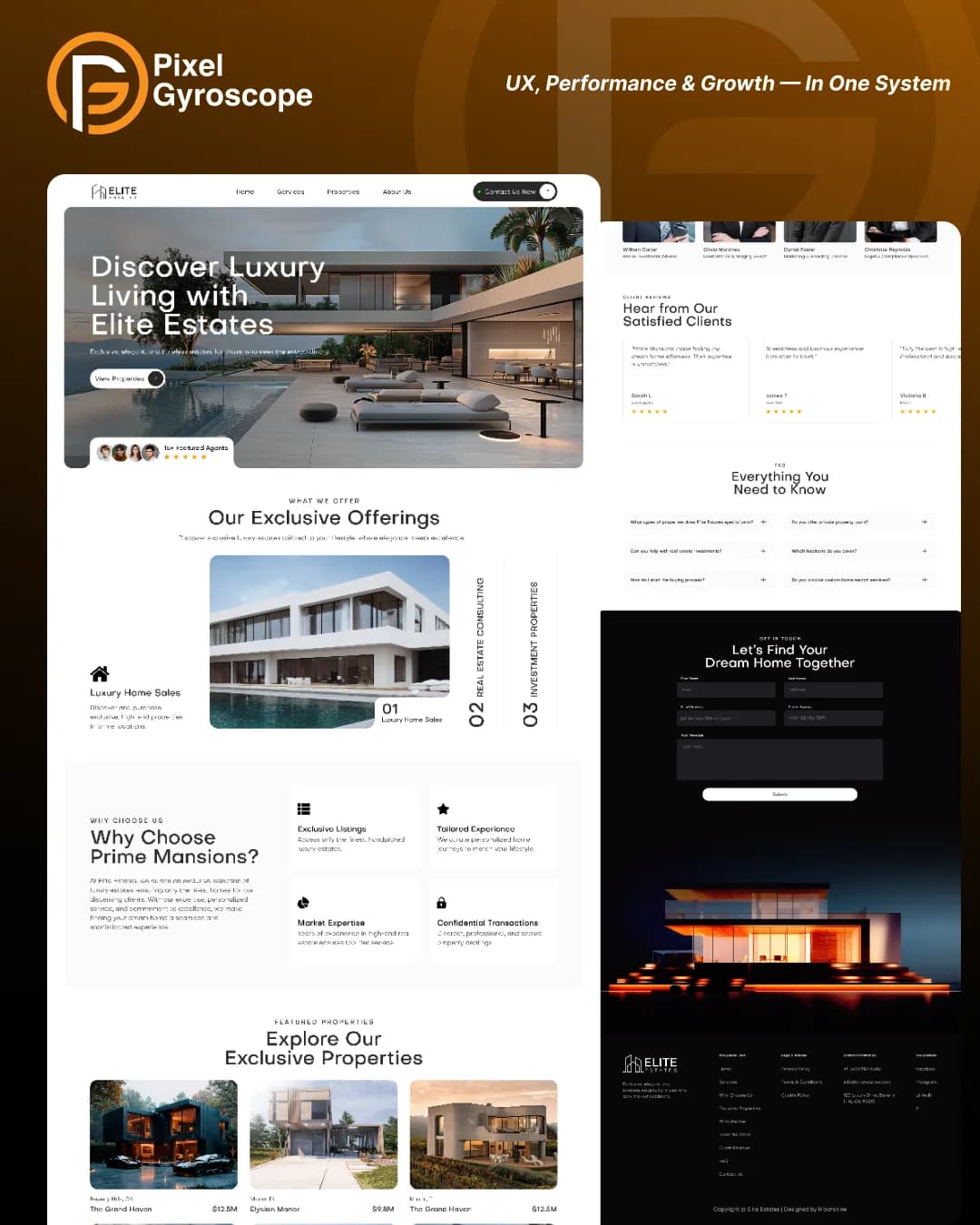
    Elite Estates
    Real Estate

    Elite Estates

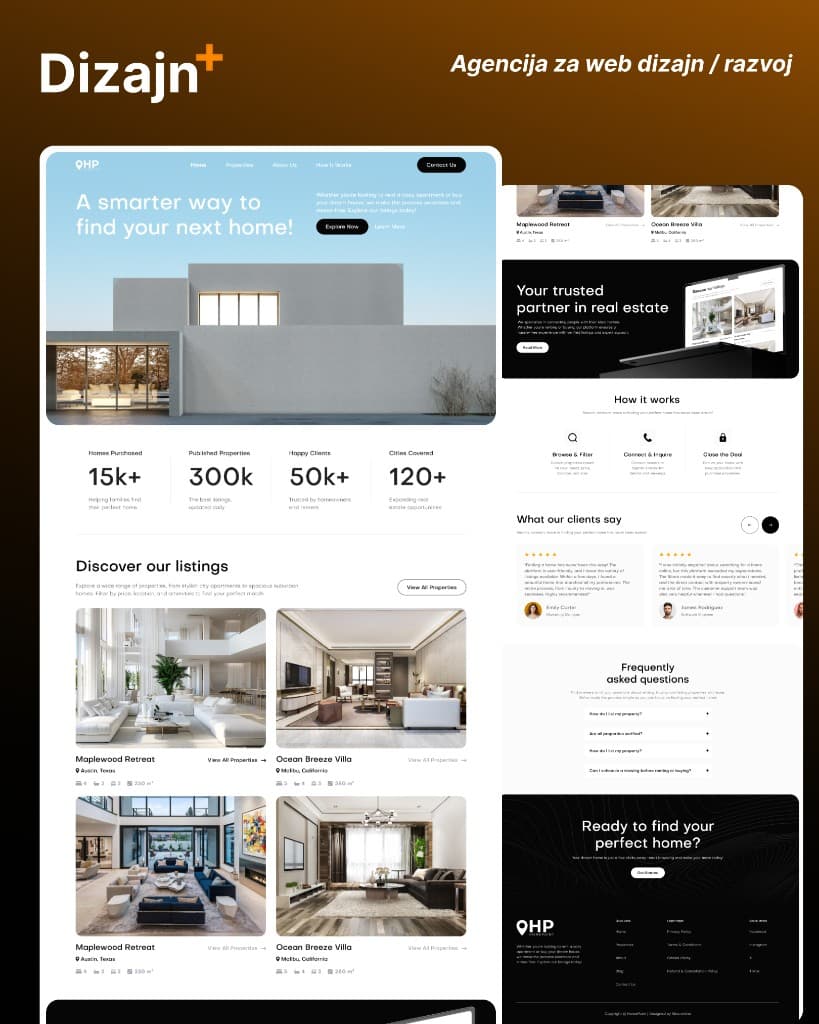
    OHP Homepoint
    Real Estate

    OHP Homepoint

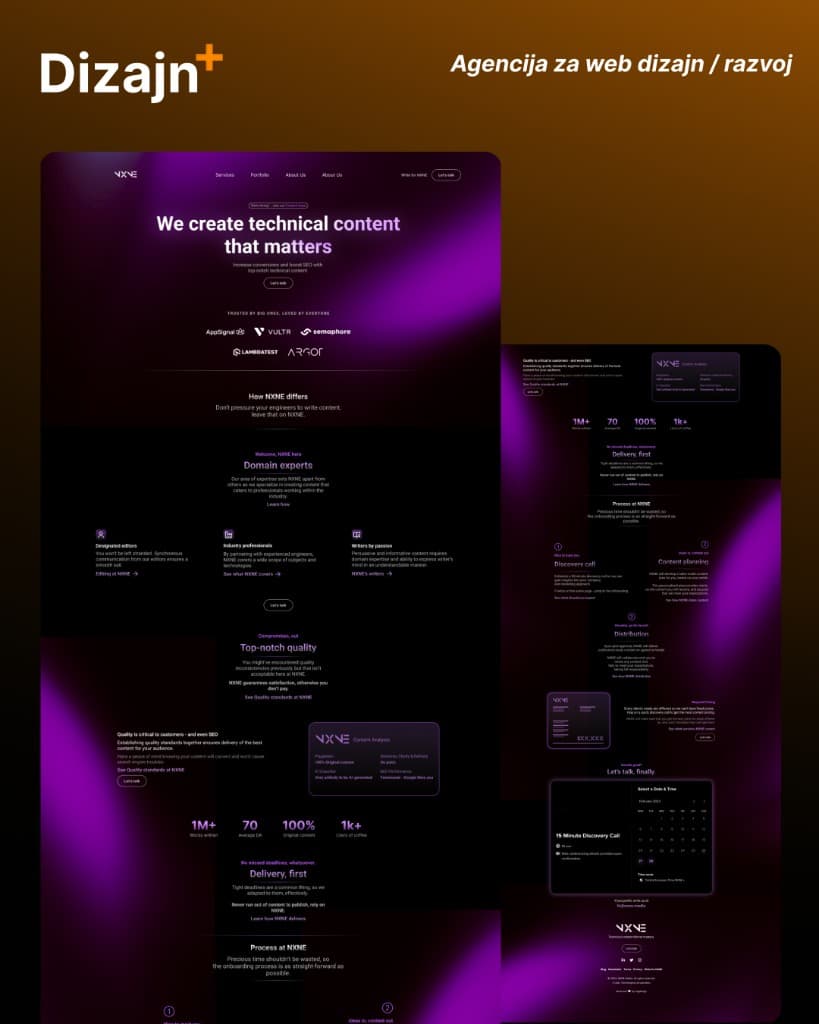
    NXNE Media
    Content & SEO

    NXNE Media

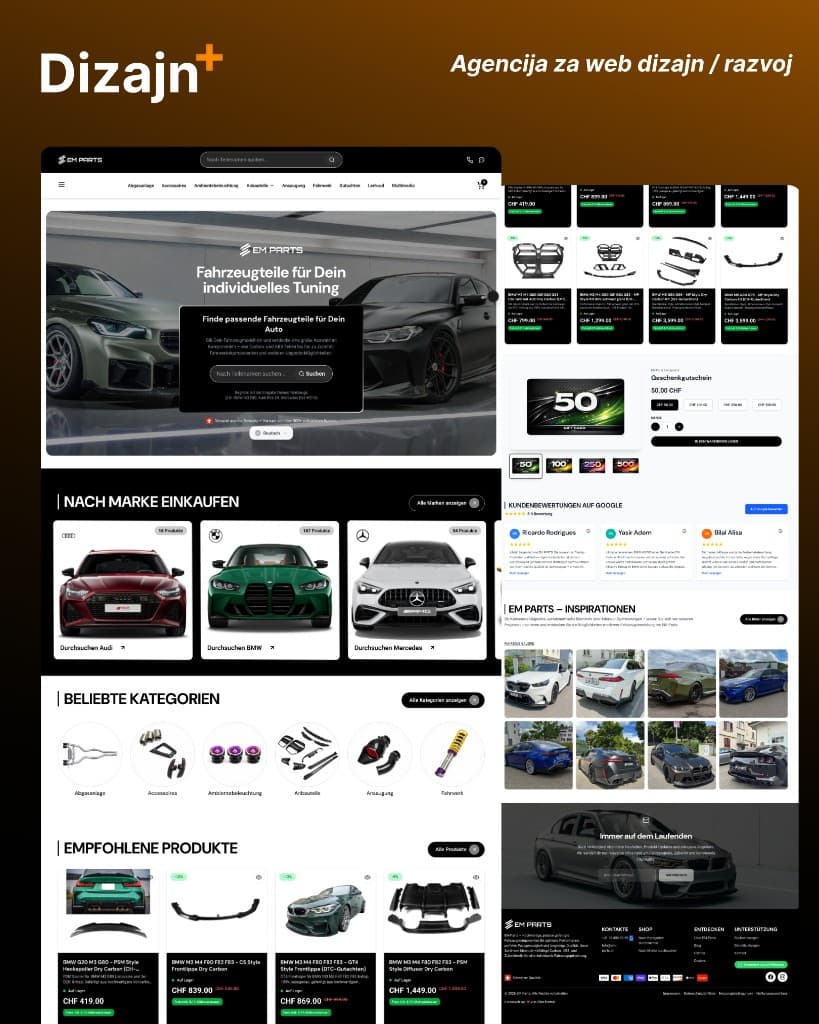
    EM PARTS
    E-commerce

    EM PARTS

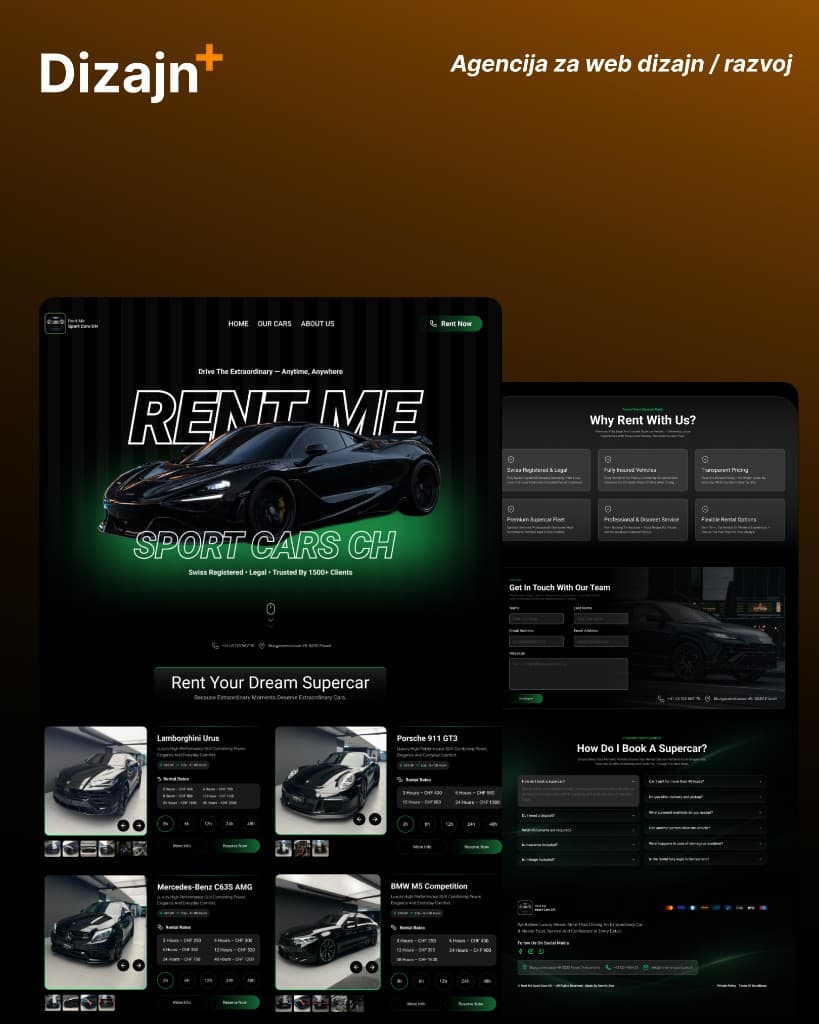
    Sport Cars CH
    Car Rental

    Sport Cars CH

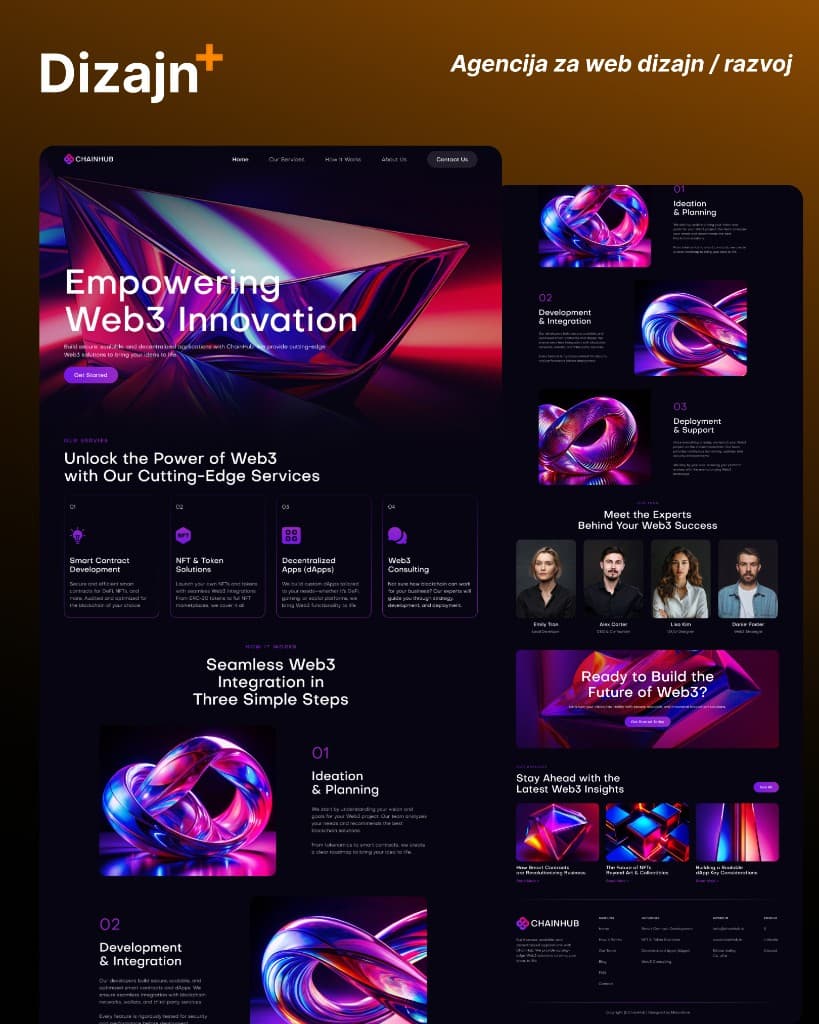
    ChainHub Portfolios
    Web3

    ChainHub Portfolios

    Dark Knight
    Web Design

    Dark Knight

    Vedetter Rent Safety
    SaaS

    Vedetter Rent Safety

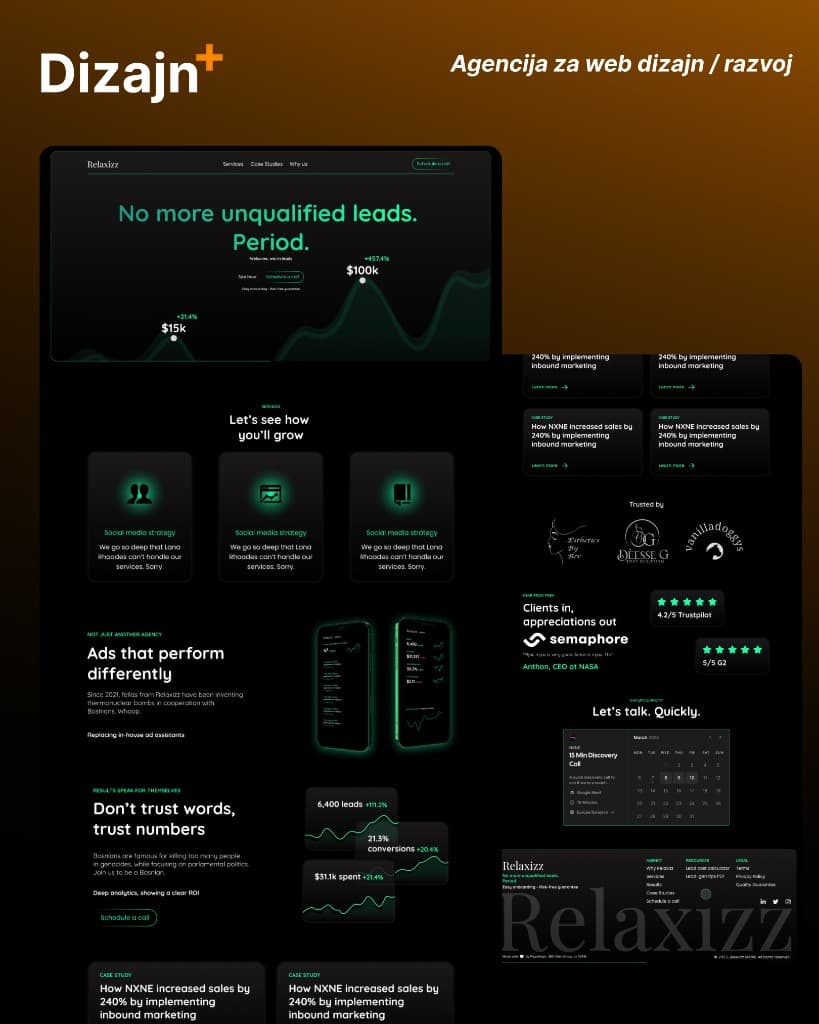
    Relaxizz
    Web Design

    Relaxizz

    Most Wanted
    E-commerce

    Most Wanted

    Homefuse
    Lead Generation

    Homefuse

    View all
    Get in touch

    Let's build your vision

    Tell us about your project and we'll get back to you within 24 hours with a detailed proposal. Whether you need a complete website redesign, a new web application, or performance optimization — we're here to help.

    Your project team

    Aleksa
    Ivana
    Igor
    Mihajlo
    Lazar

    Expert team

    Ready to help

    Email us


    Viber / WhatsApp / Telegram

    +387 65 298 498

    Visit us

    Zagreb, Croatia

    Start a Project

    Fill out the form and we'll be in touch soon

    Project Budget

    We typically respond within 24 hours